



Convention Centre in Kerala: The Complete Event Planner’s Guide (2026)
Kerala has become a major destination for corporate conferences, institutional gatherings, trade exhibitions, and multi-day conventions. At the same time, choosing the right venue depends entirely on the type of event you’re organising. Kerala has also seen growing demand for MICE (Meetings, Incentives, Conferences, and Exhibitions) events in recent years.
Two events with similar attendee numbers can have very different requirements. Seating layouts, parking, technical infrastructure, dining arrangements, accommodation, and even monsoon preparedness can all affect how smoothly an event runs.
The key is asking the right questions before signing the contract. This guide outlines the practical factors planners should evaluate when selecting a convention centre in Kerala.
Convention Venue Evaluation Checklist
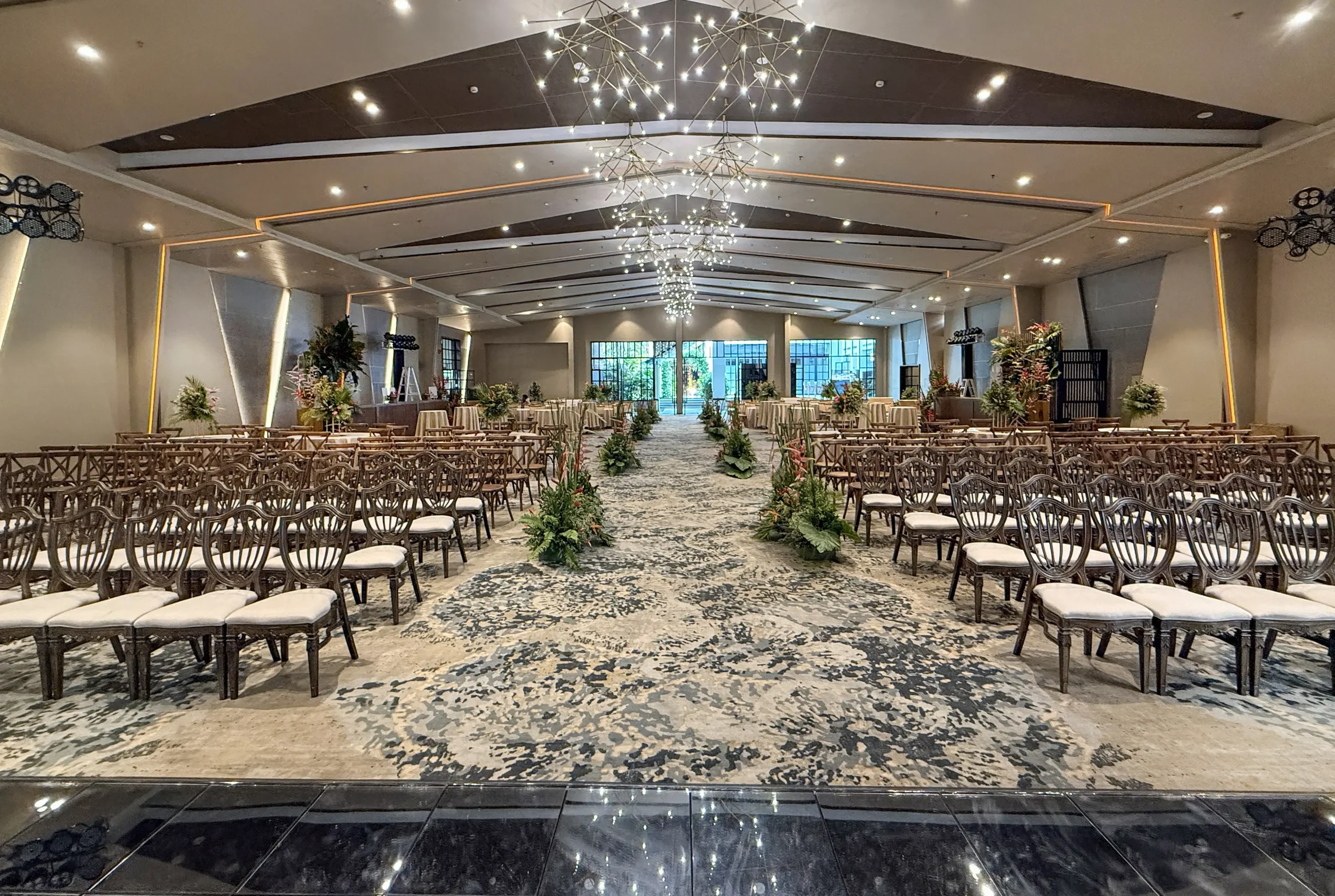
Planning a Successful Event Starts With Choosing the Right Venue
The venue influences every stage of the attendee experience—from registration and presentations to networking, dining, accessibility, and overall event flow. Evaluating these factors before booking helps avoid operational challenges on the event day.
Convention Centre, Banquet Hall, or Marriage Hall: What’s the Difference?
People often use the terms convention centre, banquet hall, and marriage hall to describe any large event venue, but each serves a different purpose.
Convention Centre
A convention centre is built for conferences, exhibitions, institutional gatherings, and multi-day events that require features such as technical support, flexible seating arrangements, and dedicated registration or networking areas.
Banquet Hall
A banquet hall is primarily designed for dining-focused occasions, including receptions, award nights, and celebrations.
Marriage Hall
A marriage hall is intended for weddings and related functions, with layouts that prioritise ceremonial activities and guest seating.
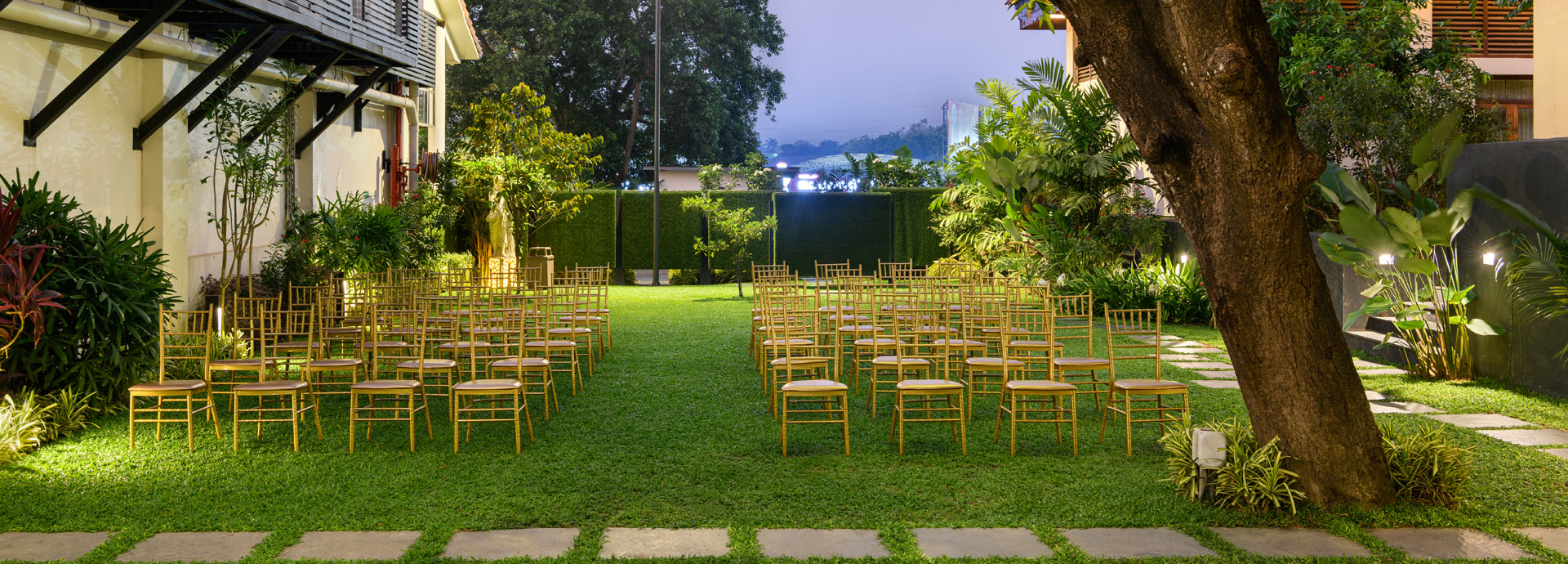
The reality is that many venues in Kerala do more than one thing. A space that hosts a conference one week could just as easily accommodate a wedding reception the next. Chakolas Pavilion is a good example of this flexibility. Rather than focusing on whether a venue is called a convention centre or a banquet hall, planners should assess whether it can support the specific needs of their event.
Key Takeaway
Rather than focusing on whether a venue is called a convention centre or a banquet hall, planners should assess whether it can support the specific needs of their event.
1. Capacity: Focus on the Right Numbers
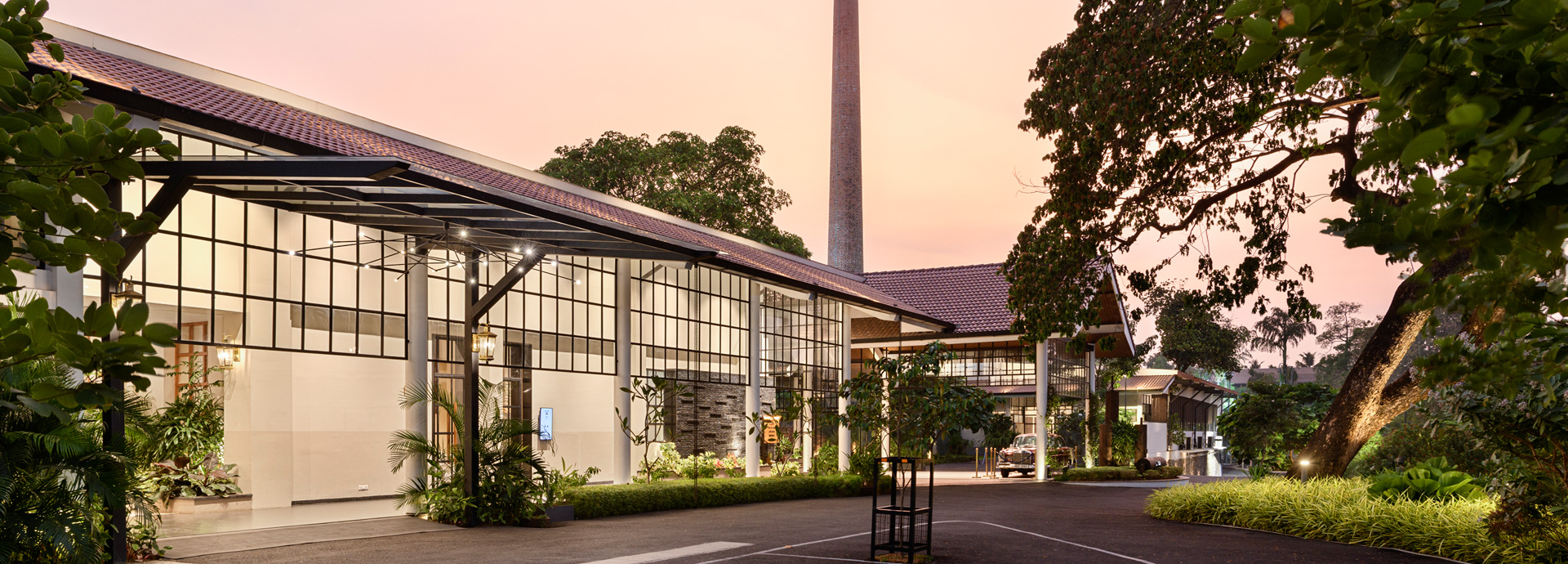
The key question is not how many people a venue can accommodate, but how many it can accommodate in your preferred setup.
Theatre seating allows the highest capacity, while classroom layouts require additional space for tables. Banquet setups reduce capacity further to ensure comfortable movement around dining areas. A venue that accommodates 1,000 guests may host significantly fewer in a banquet style.
Larger stages, exhibition booths, sponsor displays, and production equipment can further affect the final count. A hall that appears spacious during a site visit may feel very different once the stage, registration desks, exhibition stalls, and dining arrangements are in place. Consider comfort as well as headcount when assessing capacity.
Different Event Layouts Affect Capacity
Theatre
Highest Seating Capacity
Classroom
Requires Additional Space
Banquet
Comfortable Dining Layout
Capacity is only one part of the equation. Technical readiness is equally important.
2. Evaluate the AV and Technical Infrastructure
Audio-visual arrangements deserve close attention when choosing a convention centre in Kerala. A venue may look impressive, but technical issues can quickly disrupt an event. Ask whether the venue has an in-house technical team or depends on external vendors, and who will be available on the event day if problems arise.
Check if microphones, projectors, LED screens, and reliable internet are provided. It’s also worth confirming whether there is a generator backup and time allocated for technical rehearsals.
If you plan to bring in your own AV team or event partners, confirm the venue’s vendor policies in advance. Some venues have restrictions on external vendors or specific time slots for setup and dismantling.
Technical Checklist
Before confirming the venue, verify that all technical systems can support your event requirements and that assistance is available throughout the programme.
🎤 Audio Systems
Microphones and sound support
🖥 Presentation
Projectors and LED screens
🌐 Connectivity
Reliable internet and Wi-Fi
⚡ Backup
Generator backup and technical rehearsals
Questions to Ask Before Booking
- Does the venue have an in-house technical team?
- Who will provide support during the event?
- Are microphones, projectors, LED screens, and internet available?
- Is there a generator backup?
- Can technical rehearsals be conducted before the event?
- Are external AV vendors permitted?
- Are there restrictions on setup or dismantling timings?
3. Parking Matters More Than Most Planners Think
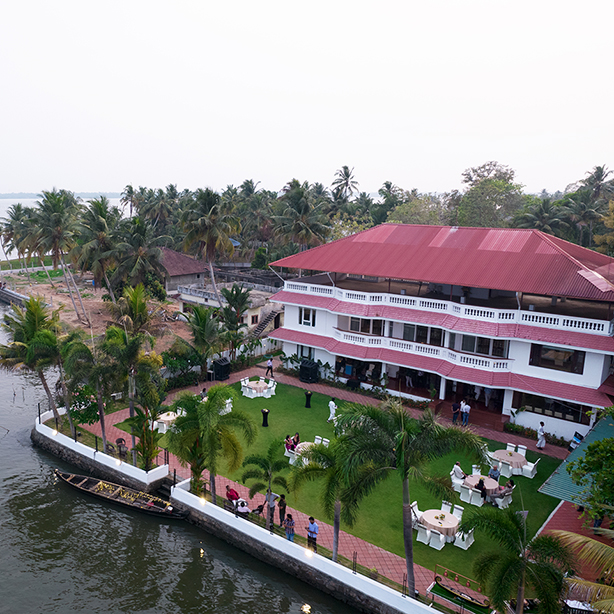
Parking is one of the first things guests notice on event day. If attendees spend 20 minutes looking for a space, the event begins with unnecessary frustration. The same issue affects speakers, exhibitors, sponsors, and service providers arriving with equipment.
For large events, parking should be treated as an essential requirement, not an added benefit. Delays at the entrance can slow down registrations and disrupt the programme schedule.
Why Parking Matters
Parking influences the attendee experience before the event even begins. Smooth vehicle movement helps registrations, scheduling, and guest satisfaction.
700+
Dedicated Parking Spaces
Large Events
Designed for High Visitor Volumes
Fast Access
Improves Guest Arrival Experience
A venue such as Chakolas Pavilion Kochi, with over 700 dedicated parking spaces, offers a useful benchmark for large events in Kerala. Always evaluate parking based on the number of vehicles you expect, not just the venue’s seating capacity.
Parking Evaluation Checklist
- Dedicated parking capacity
- Separate parking for organisers and VIP guests
- Easy entry and exit during peak hours
- Parking suitable for exhibitors and service vehicles
- Traffic management during registrations and departures
4. Catering for Multi-Day Events
Food quality and service can significantly affect the attendee experience.
A single-day event is relatively simple to manage. Multi-day conventions require more planning. Repeating the same menu every day can affect the attendee experience, while long queues during tea breaks or lunch can delay the next session.
When evaluating a venue, ask about its catering capacity, menu variety, ability to accommodate dietary requirements, and the number of guests it can serve within a fixed time. Separate dining areas are also worth considering, as they reduce congestion and allow conference activities to continue without disruption.
Why Catering Matters
A well-planned dining experience keeps delegates comfortable, maintains event schedules, and improves the overall convention experience across multiple days.
🍽 Menu Variety
Different menus for multi-day events
🥗 Dietary Requirements
Flexible food options for attendees
☕ Fast Service
Efficient tea breaks and lunch service
🏛 Separate Dining
Reduce congestion during the programme
Questions to Ask Before Booking
- Can the venue handle catering efficiently throughout the event?
- How many guests can be served within a fixed time?
- Is menu customisation available?
- Can dietary requirements be accommodated?
- Are separate dining spaces available?
- Will dining interfere with conference sessions?
5. Consider Accessibility from Every Direction
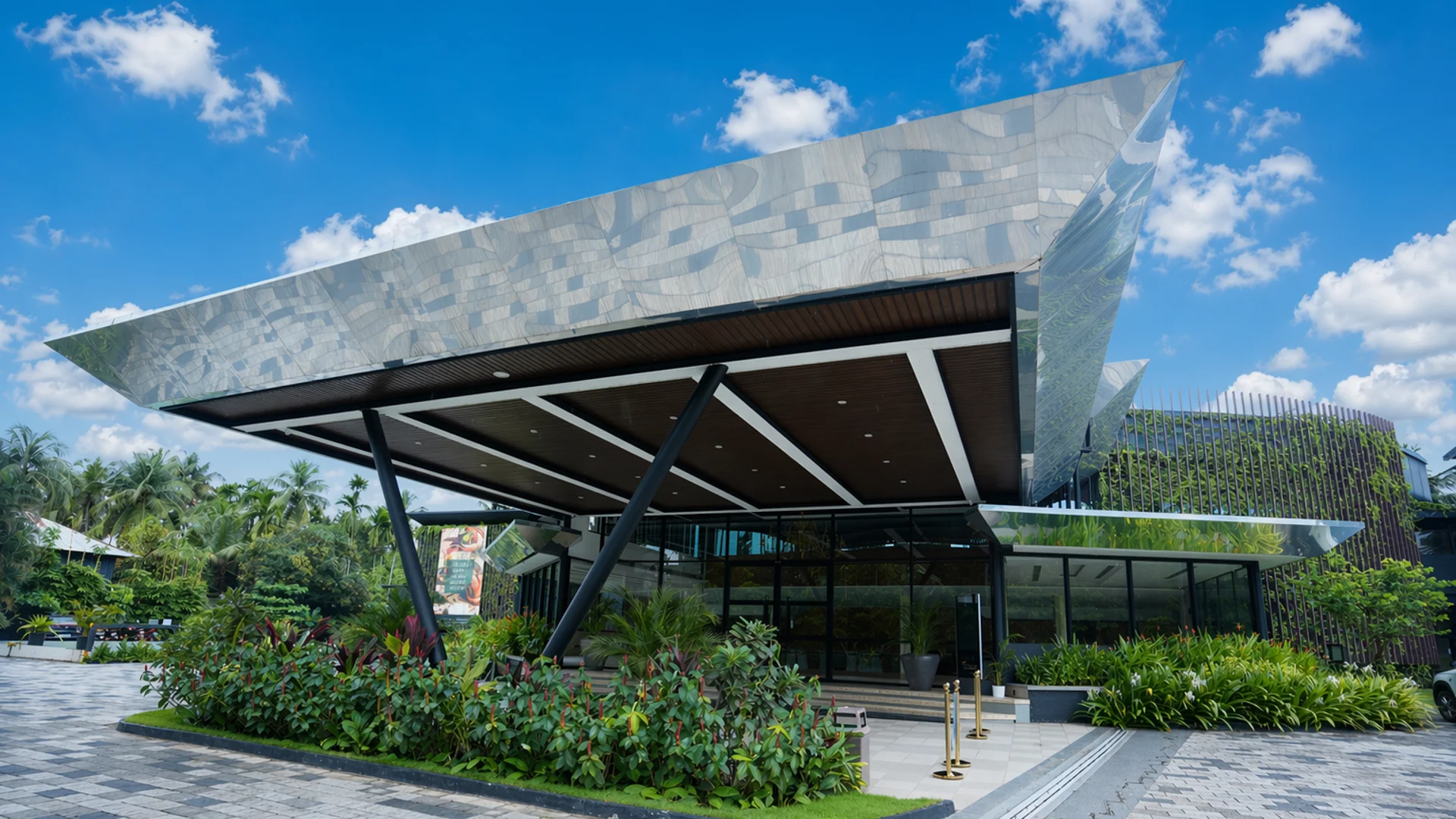
A venue may have excellent facilities, but reaching it should not be difficult. Many organisers focus only on airport access, overlooking how most attendees actually travel.
When evaluating a venue, consider four factors:
✈ Airport
Proximity to the airport
🚆 Railway
Railway connectivity
🛣 Highway
Highway access
🚇 Metro
Metro access where available
Why Accessibility Matters
Delegates from nearby districts may prefer travelling by road or train, while speakers and outstation guests often rely on flights. Choose a venue based on who will attend your event.
If your event includes senior delegates or guests with mobility concerns, check whether the venue has ramps, lifts, and easily accessible washrooms. If your event falls during Kerala’s monsoon season, check whether the venue offers covered walkways, sheltered parking, and protected registration areas.
Accessibility is important, but it’s not the only factor that affects the attendee experience.
6. Evaluate the Spaces Outside the Main Hall
A successful event requires more than just a good conference hall. Guests need space to register, speakers need areas to prepare, and exhibitors need room to interact with attendees.
When these supporting spaces are overlooked, registration queues can build up, networking becomes difficult, and the venue may feel crowded.
Supporting Spaces Matter
The main hall may be the centrepiece of your event, but well-planned supporting spaces help registrations, networking, exhibitions, and speaker preparation run efficiently.
📝 Registration Area
Adequate space for registration counters
🏢 Exhibition Space
Dedicated areas for sponsor displays or exhibitions
🎤 Green Rooms
Green rooms for speakers and organisers
🤝 Networking Areas
Breakout spaces and informal networking areas
Before finalising a venue, check whether it has:
- Adequate space for registration counters
- Dedicated areas for sponsor displays or exhibitions
- Green rooms for speakers and organisers
- Breakout spaces for smaller meetings or discussions
- Outdoor or informal networking areas
These spaces help events run more smoothly.
7. Consider Accommodation Options
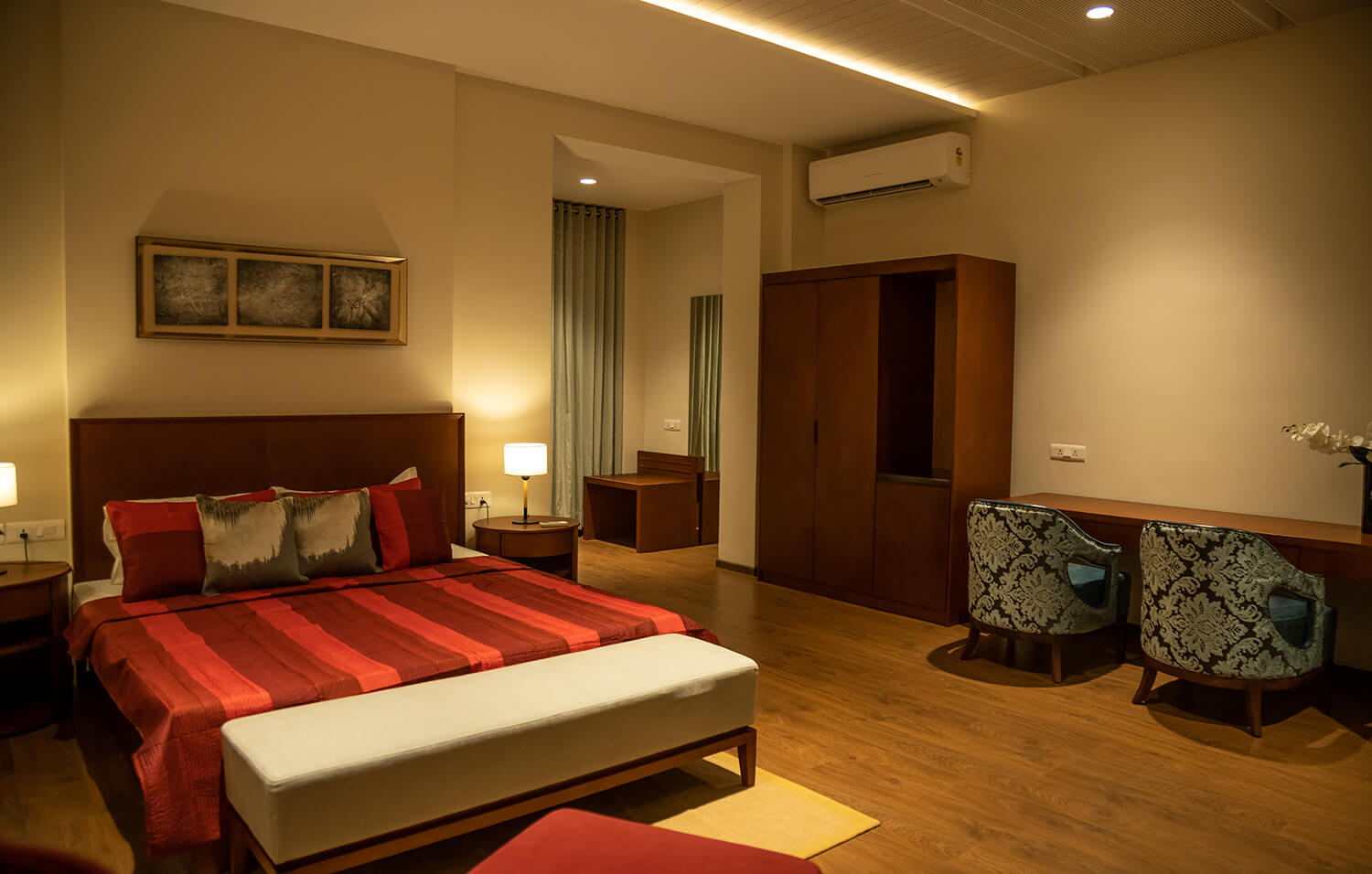
Accommodation is an important factor for multi-day events, especially when attendees are travelling from outside the city. Staying close to the venue reduces travel time and simplifies event logistics.
While on-site accommodation remains relatively uncommon among convention venues in Kerala, Chakolas Pavilion Kochi offers the added convenience of on-site stay through Chakolas Residence, making it easier to accommodate organisers, speakers, and outstation guests.
If on-site accommodation isn’t available or additional rooms are required, check whether there are enough quality hotels nearby. During peak event and wedding seasons, securing accommodation and group bookings well in advance is advisable.
🏨 On-site Stay
Ideal for organisers, speakers, and VIP guests
🚗 Nearby Hotels
Additional accommodation options for large events
📅 Advance Booking
Recommended during peak event and wedding seasons
Best Locations in Kerala for Conventions and Large Events
Once you’ve identified the facilities your event requires, the next step is deciding where to host it. The city you choose can influence attendance, travel convenience, and overall event logistics.
Kochi: The Default Choice for Large-Scale Events
Kochi is often the first choice for organisers planning conventions that attract delegates from across India and overseas. The city offers strong connectivity through Cochin International Airport, major railway stations, metro services, and national highways. It also has a wide range of hotels, making accommodation easier for outstation attendees.
Areas such as the Kalamassery corridor have become popular for large events because of their highway access and larger venue footprints. Venues such as Chakolas Pavilion Kochi form part of this broader convention ecosystem.
Why organisers choose Kochi:
- Access to Kerala’s international airport
- Strong rail, metro, and highway connectivity
- Good availability of hotels across different budgets
- Suitable for corporate conferences, trade exhibitions, and large conventions
Thrissur: Best for Central Kerala Gatherings
Thrissur is a practical option for events involving participants from multiple districts. Its central location reduces travel time for attendees coming from Kochi, Palakkad, Malappuram, and parts of North Kerala. The city is well connected by rail and major highways, making it convenient for regional gatherings.
Thrissur is particularly suited to educational conferences, institutional programmes, association meetings, and community events. The presence of venues such as Chakolas Pavilion Thrissur reflects the demand for larger event spaces in Central Kerala.
Why organisers choose Thrissur:
- Centrally located within Kerala
- Good railway and highway connectivity
- Convenient for delegates travelling by road
- Well suited for institutional and community events
Kozhikode: North Kerala’s Events Hub
For organisers focusing on North Kerala, Kozhikode offers a practical alternative to Kochi. The city serves as an accessible meeting point for delegates travelling from Kannur, Wayanad, Malappuram, and Kasaragod. Railway connectivity remains one of its strengths, while Calicut International Airport supports attendees arriving from other states and abroad.
As professional and business events continue to grow in the region, Kozhikode is increasingly being considered for conferences and large gatherings.
Why organisers choose Kozhikode:
- Convenient for North Kerala participants
- Access through Calicut International Airport
- Strong railway connectivity
- Suitable for regional conferences and professional events
Thiruvananthapuram: A Strong Choice for South Kerala Events
As Kerala’s capital city, Thiruvananthapuram frequently hosts government programmes, policy discussions, and institutional gatherings. The city benefits from international airport access, railway connectivity, and road links to neighbouring districts and Tamil Nadu.
For organisations with a strong presence in South Kerala, Thiruvananthapuram can be a practical choice because it reduces travel time for many attendees. Some venues also combine conference facilities with accommodation, which can be useful for multi-day events.
When evaluating venues here, planners should consider accommodation availability and city traffic, particularly during peak hours.
Why organisers choose Thiruvananthapuram:
- Ideal for government and institutional events
- International airport connectivity
- Convenient for South Kerala delegates
- Accessible for attendees from neighbouring Tamil Nadu
Final Checklist Before Booking
Regardless of location, the same evaluation process should apply before any booking decision is made.
Before confirming a convention venue in Kerala, make sure you have clear answers to these questions:
- What is the usable capacity for my preferred seating style?
- What AV facilities, internet connectivity, and power backup are available?
- Are external vendors permitted, and are there any setup restrictions?
- Is parking adequate for the expected number of attendees?
- Can the venue handle catering efficiently throughout the event?
- How accessible is the venue by air, rail, and road?
- Are registration areas, networking spaces, and green rooms available?
- What accommodation options are available on-site or nearby?
- Have all charges, timings, and venue policies been clarified in writing?
Choosing the right convention centre is not just about finding a large hall. A venue that performs well across these areas is far more likely to support a smooth and successful event.
Frequently Asked Questions
How do I choose the right convention centre in Kerala?
Start by evaluating the venue’s capacity, location, parking, technical facilities, catering options, and accommodation availability. The best convention centre in Kerala for your event will depend on the number of attendees, event format, and where delegates are travelling from.
How early should I book a convention centre in Kerala?
For large conferences, exhibitions, and corporate events, booking a convention centre in Kerala at least six to twelve months in advance is recommended. Popular dates and peak event seasons can reduce venue availability.
Can convention centres in Kerala handle multi-day events?
Yes. Many convention centres in Kerala are equipped to host multi-day conferences, exhibitions, and institutional gatherings. Before booking, check catering arrangements, accommodation options, dining facilities, and technical support for the entire duration of the event.
What should I check before finalising a convention centre in Kerala?
Key factors include seating capacity, AV infrastructure, parking availability, accessibility, networking spaces, accommodation options, power backup, and venue policies. It is also important to confirm any additional charges before signing the agreement.
What is the difference between a convention centre and a marriage hall?
A convention centre is designed for conferences, exhibitions, and large organised events, with facilities such as flexible seating, technical infrastructure, and networking spaces. Marriage halls are primarily built for weddings and social functions, although some venues can accommodate both, depending on their configuration.